
Autism Training & Workshops
According to the National Autistic Society, Autistic students are significantly more likely to be suspended or excluded from school, with research from the University of Birmingham (Guldberg et al., 2021) indicating autistic students are twice as likely to be excluded, with the rate of exclusions for autistic pupils rising between 45%-100% in the last five years.
Likewise in therapeutic circles, research from Miller et al. (2025) indicates that therapists may feel underequipped to work with Autism, and fear causing harm to their clients. This is reflected in research demonstrating Autistic clients often feeling therapists seeming “unprepared” to understand the connection between Autism and mental health,
What I provide is the opportunity to learn in an open and interactive way, addressing stereotypes and assumptions about Autism so that you and your team can feel more confident and competent to work with Autistic persons in education or therapeutically.
My background:
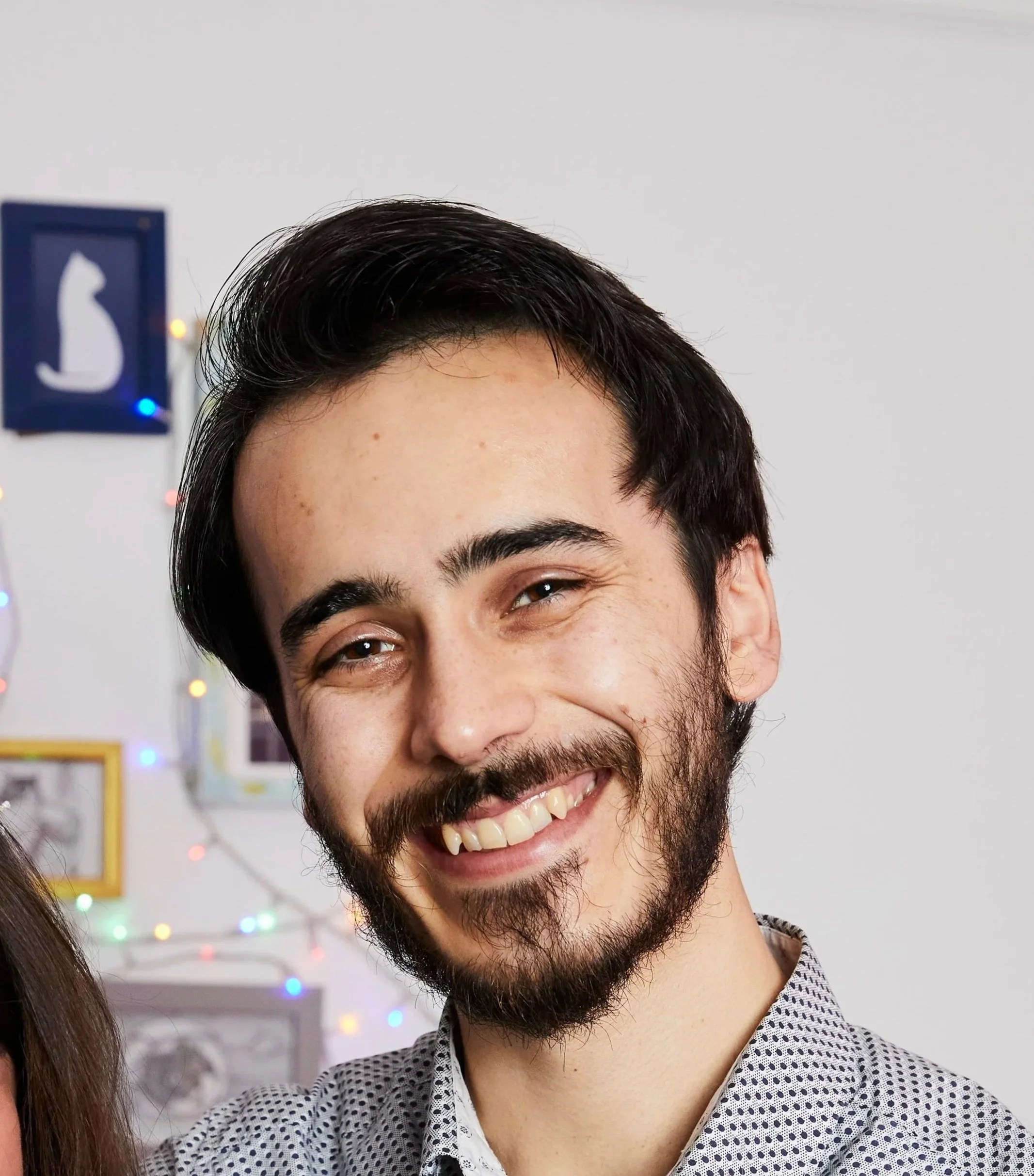
Having studied Psychology at UWE, I selected modules in both developmental and atypical development - this is where my learning about Autism really began.
I spent seven years working in SEND, and SEMH education settings following my time at university, including a dedicated school for Autistic students in Bristol. It was here that I began to develop my specialist knowledge of not just the science, but the personal, social, and cultural impacts of Autism in an individual’s life. I was honoured to get to know these young people and see how diverse their needs were - resulting in both extraordinary moments of joy, and the multitude of challenges that can be faced too.
Whilst studying to be a counsellor, I uncovered after a week on shame that I may be neurodivergent myself and spent the following year reading, studying, and exploring as much about Autism as I could. I have come to the conclusion that it is likely that I am autistic myself, and now use my knowledge and personal experiences to not only inform my counselling practice, but also to provide training/workshop opportunities to education settings and therapeutic practices.
What is covered?
-
We take the time to look at assumptions and perceptions about Autism, both within ourselves, and within media.
We explore these non-judgementally to bring out thoughts, misinformation, and ideas that we are then ready to challenge together as we learn.
It is also an excellent opportunity to share experiences and insights from Autistic persons, or those who have worked with, or have a close connection to, Autism.
-
In this section we look at the “knowledge” element of the workshop.
We explore the history of Autism, from a clinical perspective. We focus on the clinical perspective here as Autism as a “disorder” has only been recognised very recently, but it has been a part of the human experience throughout our history. This provides context for modern medical understandings of Autism, and how this impacts on Autistic people today.
We will also take the time to explore how Autism may present for different groups of people, including AFAB (Assigned Female at Birth), the BAME (Black, Asian, and Minority Ethnic) community, and the links to the LGBTIQ+ community.
Finally, we explore some of the neuroscience to provide key knowledge on how it is that Autistic brains differ from Allistic and Neurotypical brains so that your team can hold more context and understanding for the differences they may be presented with.
-
In this concluding section, we explore how this knowledge will impact on your team; be that in education or in a therapeutic setting.
Together we will explore masking, and how this impacts on our autistic counterparts, as well as the impacts and likely presenting behavioural patterns we may see with autistic persons in our services or education settings.
We will then have time to explore tools that you and your team can utilise to make your setting more accessible to Autistic persons, and specifically for education environments how behaviour policies can be reviewed to ensure we are supporting learners in effective, research-supported, ways.